


Painless Root Canal Treatment for Tooth Pain
Modern dental RCT in Kathmandu and Lalitpur — often completed in a single, comfortable sitting.
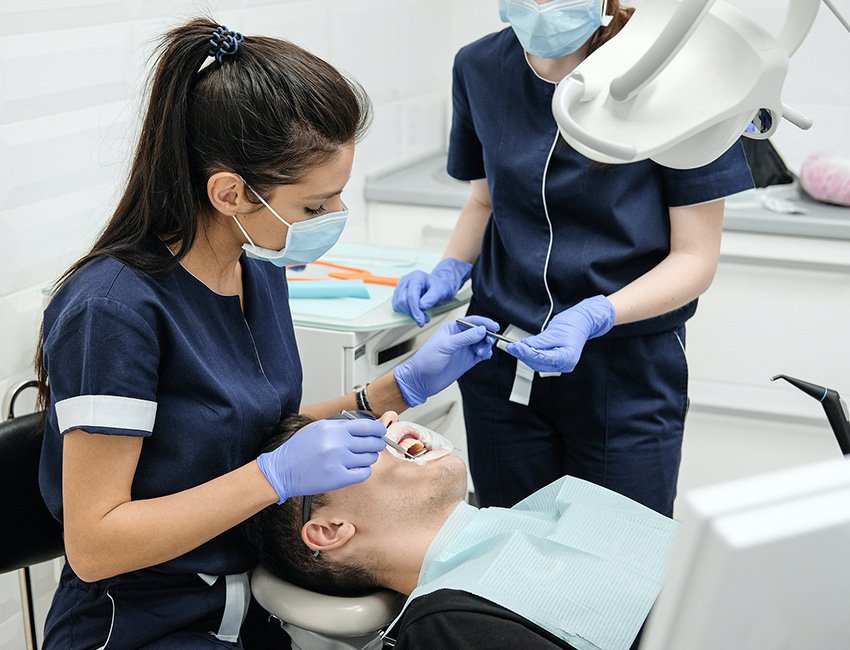
General Dentistry
Root Canal Treatment at Studio Dentale
Root canal treatment is needed when the dental pulp inside your tooth becomes inflamed or infected — often caused by tooth decay, and unlikely to resolve on its own. Left untreated, the infection can spread to other teeth and gums.
Root canal treatment often conjures a frightening picture of pain and multiple visits. With recent advances in dentistry, it's not only painless but, in most cases, can be completed in one sitting.
Transparent Pricing
Root Canal Treatment Fees
When Do You Need a Root Canal?
Several situations can mean the pulp inside your tooth needs treatment.
Extensive Decay
Decay reaching the pulp causes pain, sensitivity, and needs prompt treatment.
Trauma or Fracture
A blow or fracture can expose or damage the pulp, even without visible cracks.
Prolonged Sensitivity
When desensitizing treatments don't resolve extreme sensitivity.
Pus or Infection
A sign of bacterial infection that root canal treatment can resolve.
Who Can Benefit from Root Canal Treatment?
Why Choose Studio Dentale for your root canal treatment?
- Advanced, painless root canal treatments — often completed in one sitting
- Average treatment duration of just 45 minutes
- Digital X-rays for accurate diagnosis
- Nearly painless local anaesthesia delivery system
Clinical Journey
What to Expect During Treatment
Diagnosis
Digital X-rays confirm the extent of infection and plan your treatment.
Anaesthesia
The area is numbed for a comfortable procedure.
Cleaning & Disinfection
The infected pulp is removed and the canal thoroughly disinfected.
Filling & Crown
The canal is filled, and a crown is often placed to protect the tooth.
Smile Transformations
Explore real treatment journeys and see how personalized care and advanced dentistry can transform both smiles and confidence.
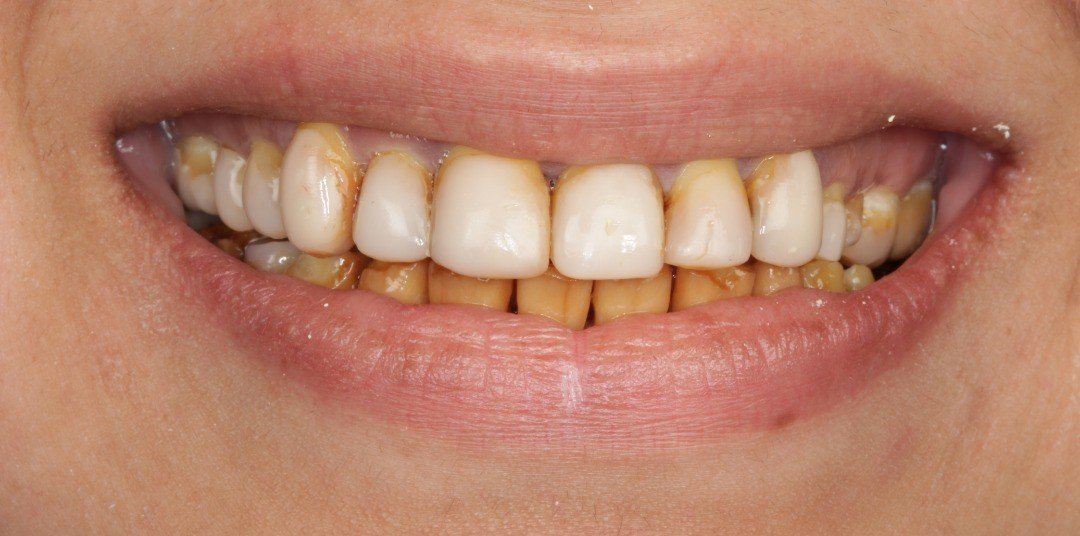 Before
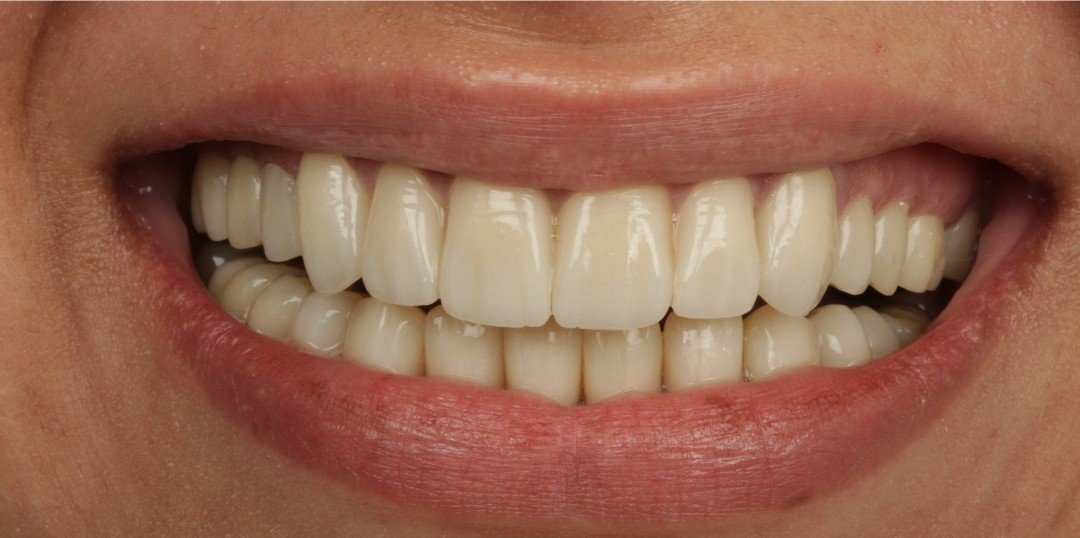 After
After
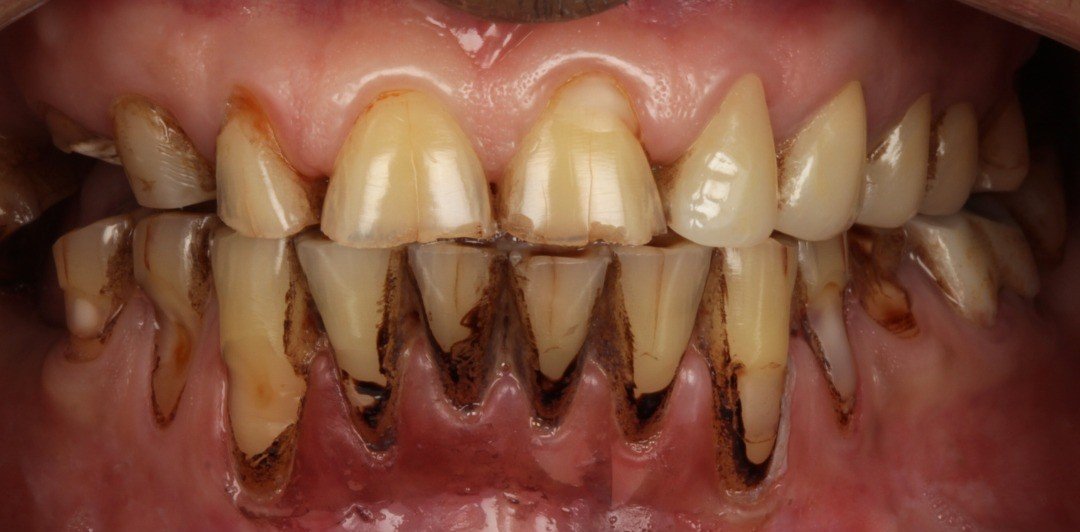 Before
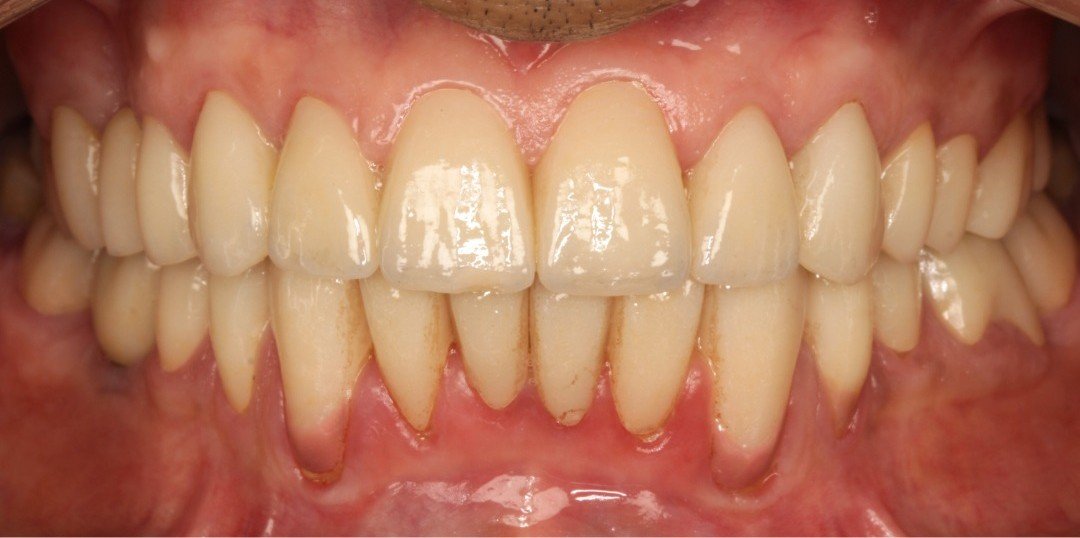 After
After
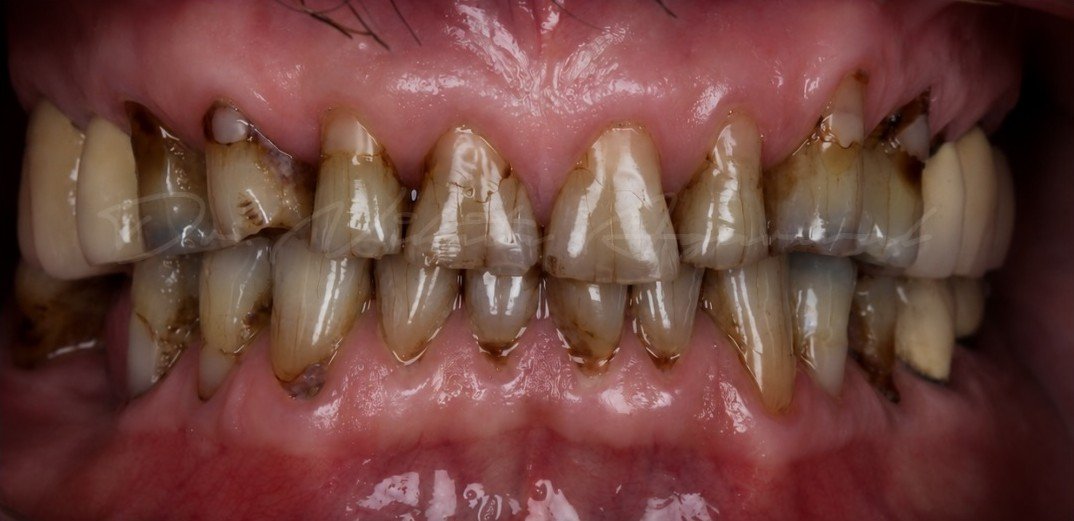 Before
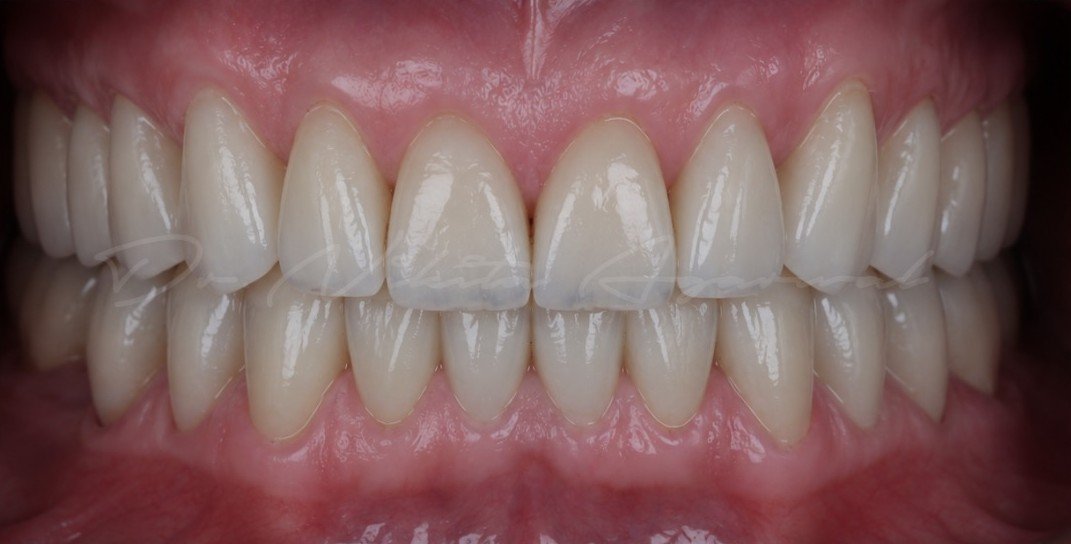 After
After
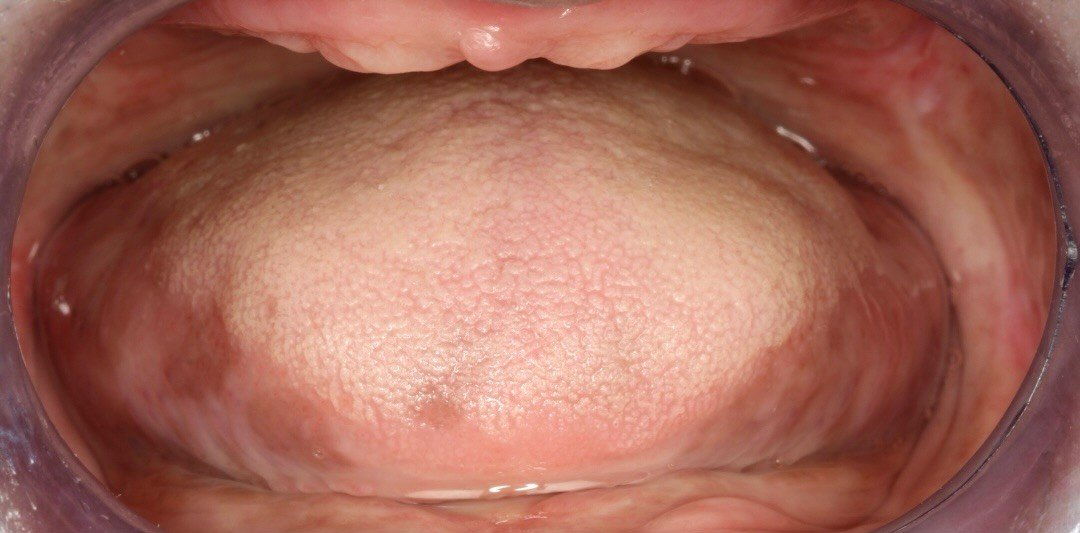 Before
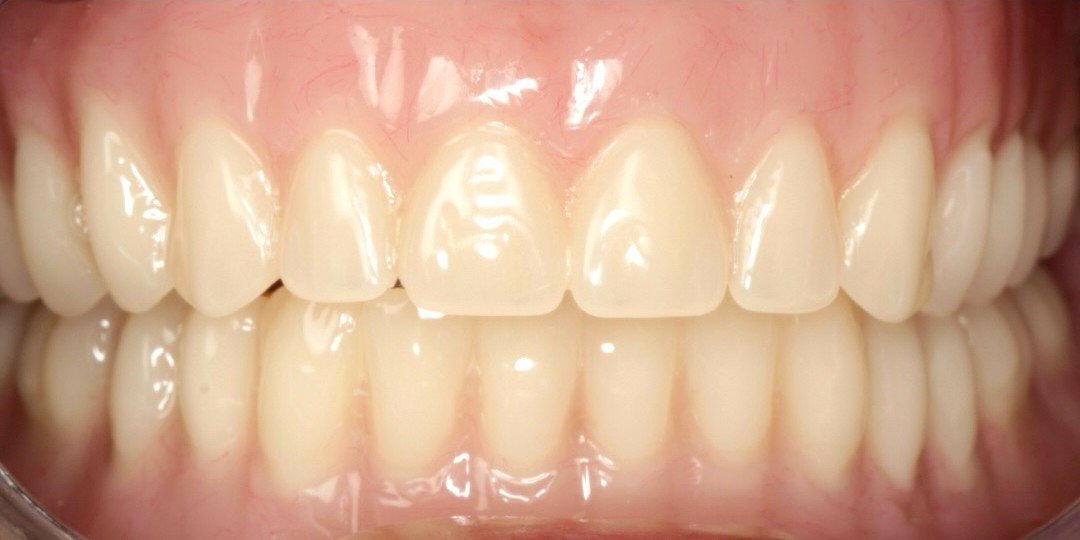 After
After
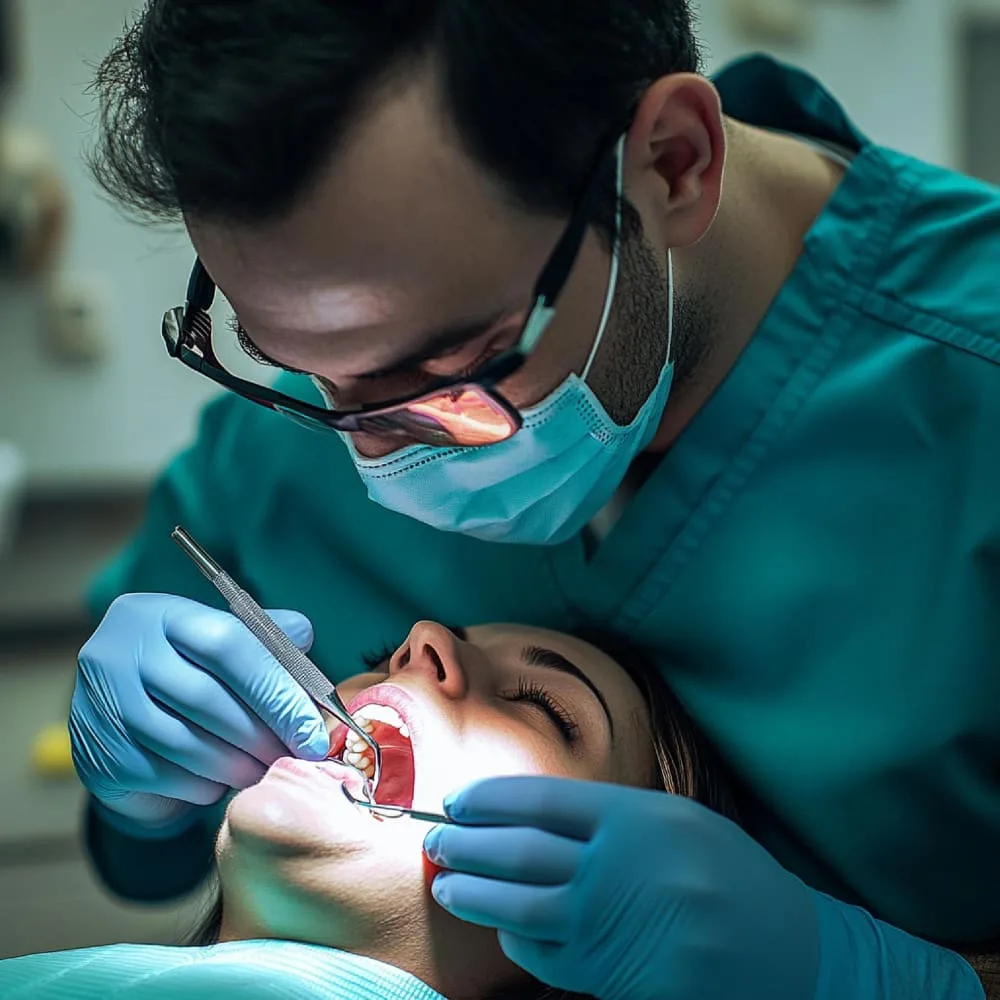
Case Study
"Modern root canal treatment isn't what it used to be."
With advanced techniques and equipment, most root canal treatments today are completed comfortably in a single visit.
Patients consistently report far less discomfort than they expected, thanks to precise anaesthesia and modern instrumentation.
Aftercare Guide
After Your Root Canal Treatment
A few simple habits support full healing after your procedure.

Avoid chewing on the treated tooth until your crown or permanent filling is placed.

Maintain your regular brushing and flossing routine.

Take any prescribed medication as directed.

Attend your follow-up visit for the final restoration.

Contact us if you experience unusual pain or swelling.
Frequently Asked Questions
Common questions about root canal treatment.
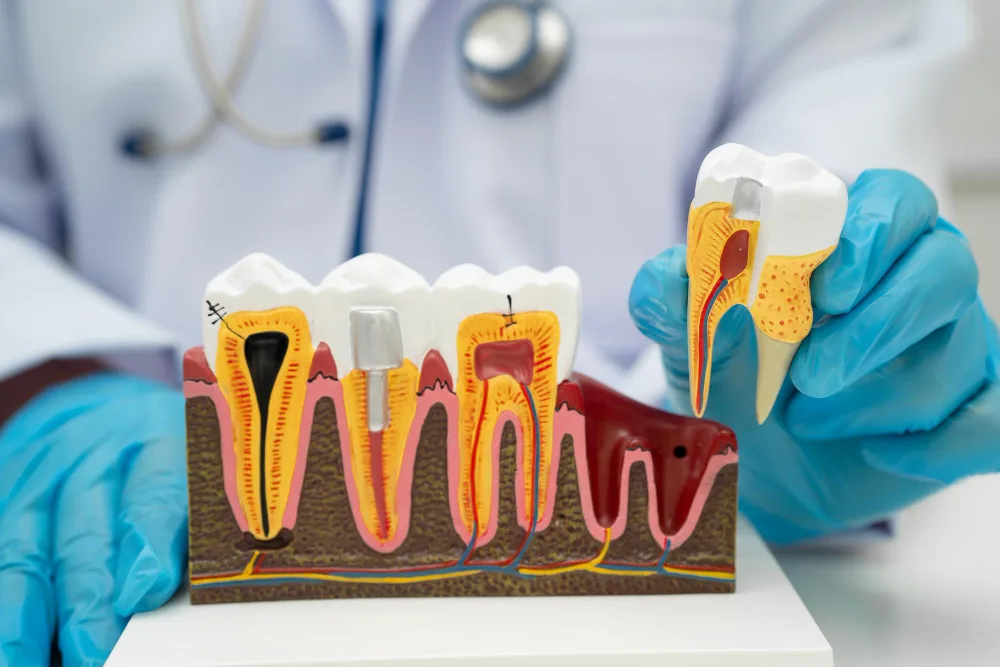
A tooth has an outer enamel/dentin layer and an inner pulp containing nerves and blood vessels. When the pulp is inflamed or infected, root canal treatment removes and disinfects it to save the tooth.
With modern anaesthesia and technique, root canal treatment is largely painless and often completed in one sitting.
Average treatment duration is around 45 minutes, and multiple canals can often be treated in a single visit.
Often, yes — a crown provides durability and protects the tooth after the pulp has been removed.
Ready to Meet Our Experts?
Book a consultation with our team and discover personalized dental care tailored to your needs.
Hours
10:00 AM until 7:00 PM


 Lalitpur
Opposite the Army Chief's Residence Main Gate, Ashiyana Complex, Lalitpur, 2nd Floor.
Get DirectionsQuick Enquiry
Share your details and our team will connect with you shortly.