
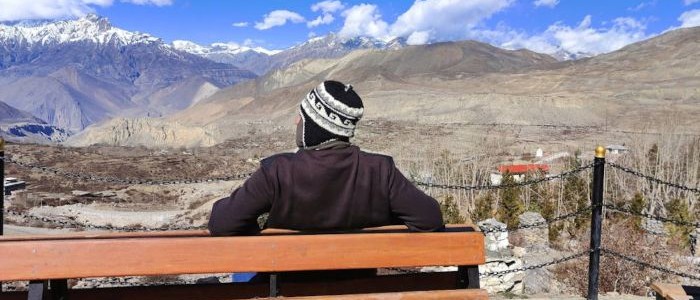
Kathmandu is not just the cultural heart of Nepal—it’s also one of the world’s highest capital cities, located at over 1,400 meters (4,600 feet) above sea level. While the altitude brings crisp air and scenic views, many people don’t realize it also affects their oral health.
At Studio Dentale, Dr. Nikita Agarwal often sees patients experiencing subtle yet consistent dental issues related to the high-altitude environment of Kathmandu.
1. Dry Mouth: A Common Altitude Effect
At higher altitudes, the air contains less moisture—and that can lead to dry mouth, especially when paired with increased breathing through the mouth during physical activity or sleep.
Why it matters:
- Saliva helps protect against tooth decay, neutralize acids, and flush out food particles.
- A dry mouth increases the risk of plaque buildup, bad breath, and gum disease.
What to do:
- Drink more water than you think you need.
- Avoid caffeine and alcohol which further dry the mouth.
- Use sugar-free gum or lozenges to stimulate saliva flow.
2. Altitude and Tooth Sensitivity (Barodontalgia)
Ever felt tooth pain during a flight? A similar phenomenon can occur at high altitudes. Known as barodontalgia, this pressure-induced pain can result from:
- Air trapped in dental fillings or cavities
- Sinus pressure affecting upper molars
- Minor tooth cracks expanding under pressure
What to do:
- Make sure all dental work is up to date and sealed properly.
- Report any sensitivity or pain to your dentist for early intervention.
3. Gum Inflammation and Reduced Oxygen
Lower oxygen levels at high altitudes can affect overall blood flow and tissue healing—including in your gums.
Potential issues:
- Slower recovery from dental procedures
- Increased gum inflammation in those with periodontal disease
- Risk of bleeding gums or infection in extreme cases
What to do:
- Practice excellent oral hygiene
- Get regular dental cleanings and periodontal checks
- Manage any systemic conditions like diabetes, which altitude can exacerbate
4. Mouth Breathing and Its Side Effects
Altitude can lead to chronic nasal congestion, especially for new residents, which encourages mouth breathing—especially at night.
Dental risks:
- Dry mouth (again!)
- Poor sleep affecting oral immune response
- Misalignment in kids due to altered jaw posture
What to do:
- Use humidifiers at home
- Get nasal evaluations if breathing issues persist
- Talk to your dentist if your child snores or breathes through their mouth regularly
5. Altitude-Linked Dehydration and Oral Health
Your body loses fluids faster at higher altitudes—even without noticing. Dehydration doesn’t just affect performance and energy; it affects your teeth too.
How dehydration impacts your oral health:
- Reduces saliva flow
- Leads to acidic mouth environment
- Contributes to tooth decay, staining, and ulcers
What to do:
- Carry a water bottle everywhere
- Include oral rinses in your daily routine
- Avoid sugary drinks as a hydration method
As Kathmandu residents, we live with these high-altitude realities daily. That’s why Dr. Nikita Agarwal and the team at Studio Dentale focus on personalized dental care tailored to the unique challenges of this environment.
We understand how the local climate, lifestyle, and altitude interact with your oral health—and we’re here to help you stay ahead of the issues.
Living at altitude isn’t just about mountain views—it requires a little more attention to your oral health. From dry mouth to barometric sensitivity, understanding how elevation affects your teeth can help you take proactive steps to maintain a healthy smile.
📍 Located in the heart of Kathmandu, Studio Dentale is here to guide you through altitude-aware oral care.