Categories
General dentistry

Why Professional Dental Cleaning is Important for Long-Term Oral Health

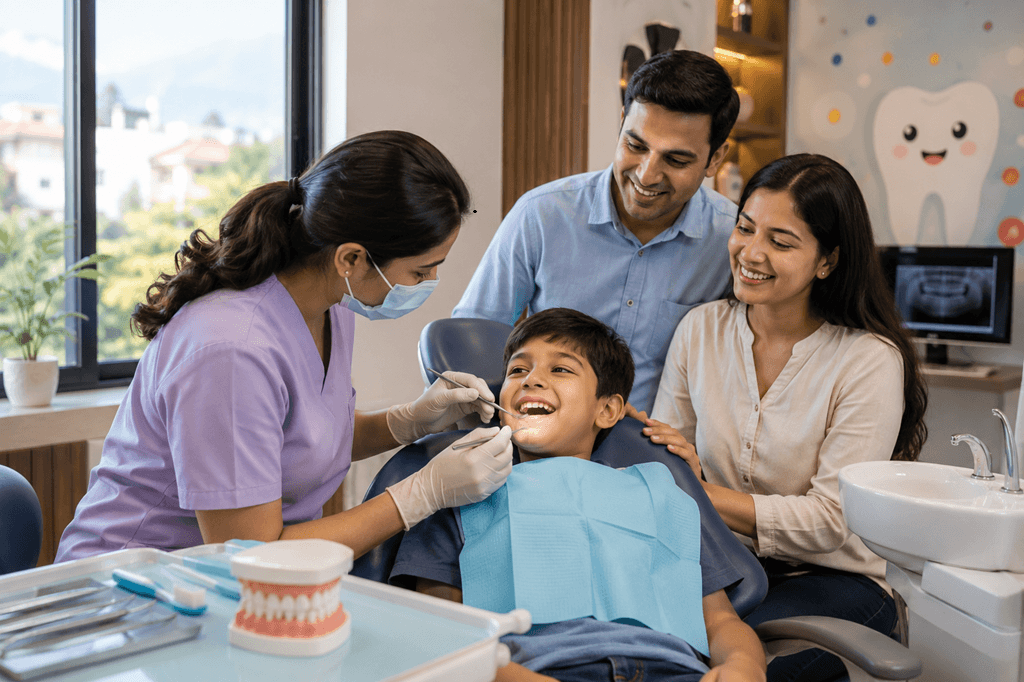
Maintaining good oral hygiene goes beyond daily brushing and flossing. While home care is essential, it cannot fully replace the benefits of professional dental cleaning. Regular visits to your dentist for a routine dental check-up and cleaning play a crucial role in ensuring long-term oral health and preventing serious dental issues. 

What is Professional Dental Cleaning? 

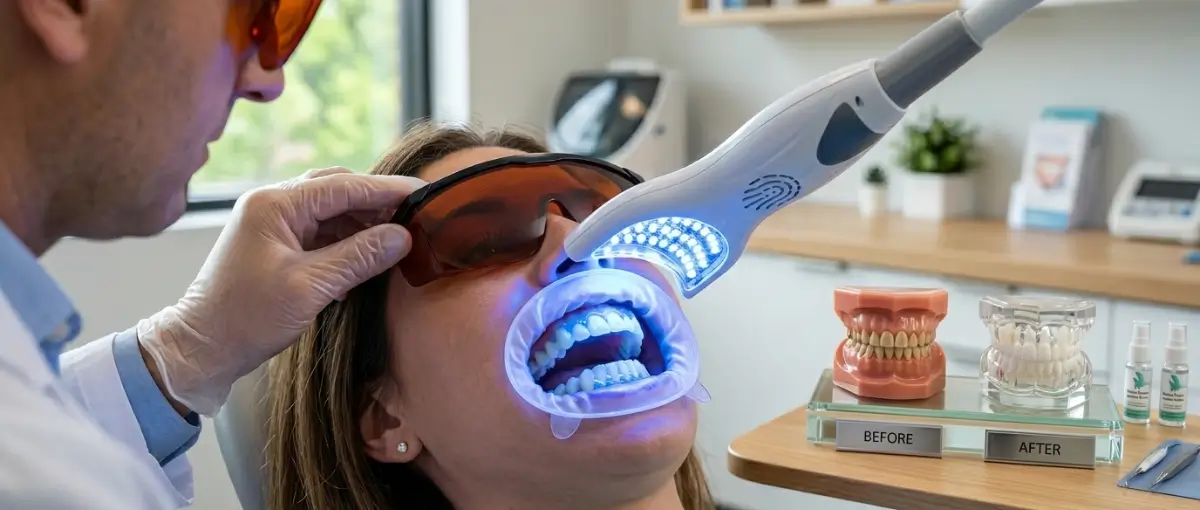
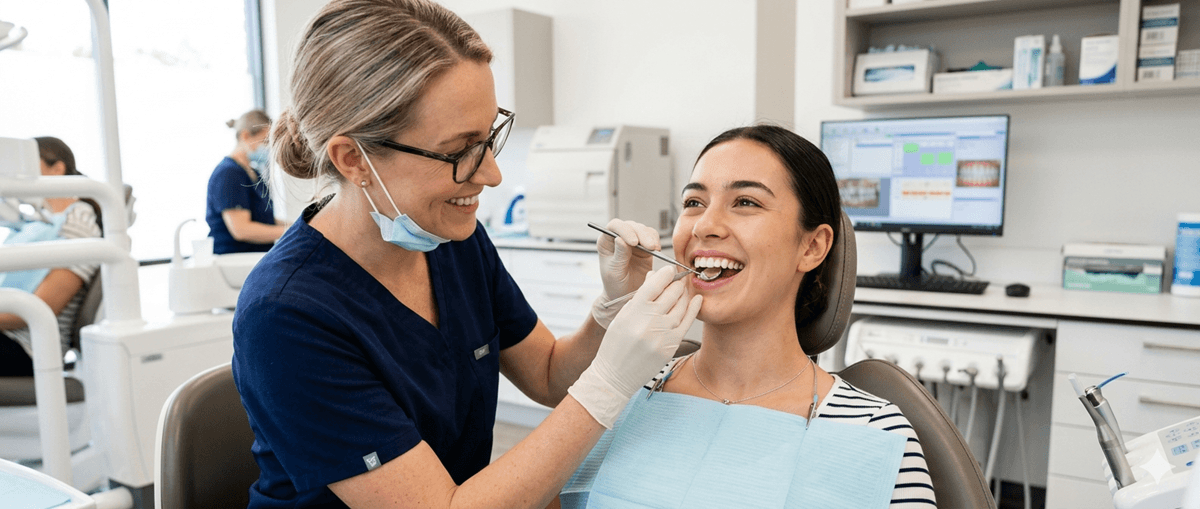
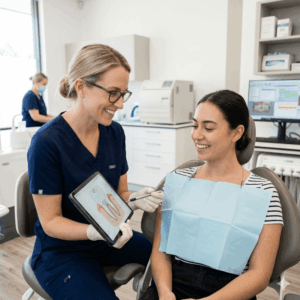
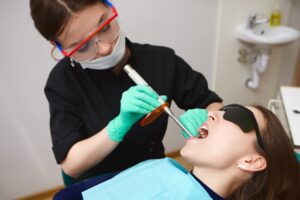
Professional dental cleaning is a preventive dental procedure performed by a dentist or dental hygienist to remove plaque, tartar (calculus), and stains from the teeth. It typically includes a scaling and polishing procedure, which helps keep your teeth and gums healthy. 

Even with proper brushing, some areas of the mouth are difficult to clean. Over time, plaque hardens into tartar, which cannot be removed at home and requires professional care.

Professional Dental Cleaning

The Importance of Scaling and Polishing Procedure 

The scaling and polishing procedure is a key part of professional dental cleaning: 

  • Scaling removes hardened tartar and plaque from tooth surfaces and below the gumline  
  • Polishing smoothens the tooth surface and removes stains, making it harder for plaque to accumulate again  

This process not only improves the appearance of your teeth but also significantly reduces the risk of gum disease and tooth decay. 

Benefits of Professional Dental Cleaning 

  1. Prevents Gum Disease

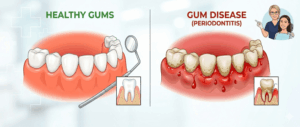
One of the primary causes of gum disease is plaque buildup. Regular professional cleaning helps prevent gingivitis and more advanced periodontal diseases. 

  1. Early Detection of Dental Problems

routine dental check-up allows your dentist to identify issues like cavities, gum inflammation, or oral infections early before they become severe and costly. 

  1. Removes Stains and Improves Aesthetics

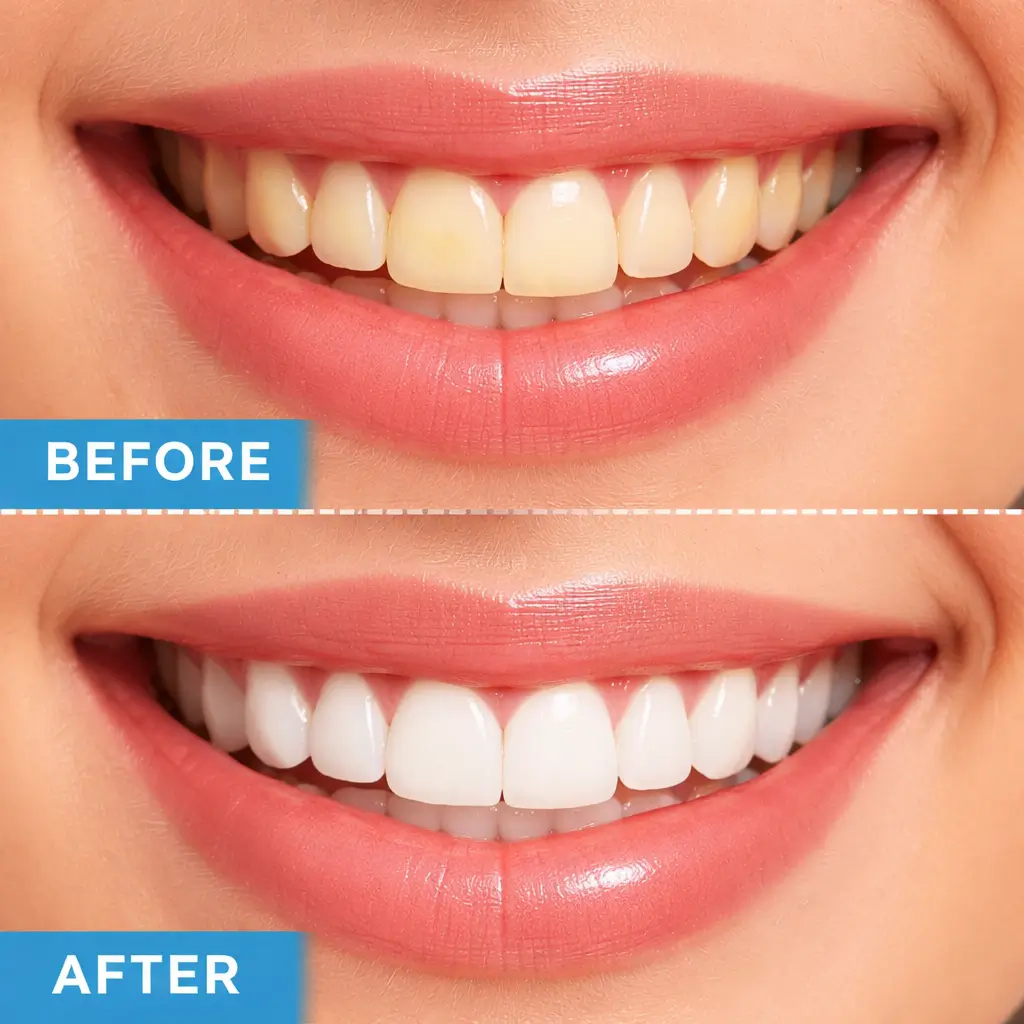
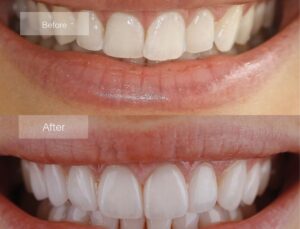
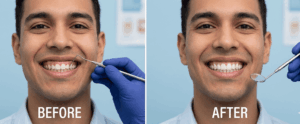
Professional cleaning removes stains caused by coffee, tea, smoking, and certain foods, giving you a brighter and healthier smile. 

  1. Helps Maintain Fresh Breath

Persistent bad breath (halitosis) is often caused by plaque and bacteria. Cleaning eliminates these causes and keeps your breath fresh. 

  1. Supports Overall Health

Oral health is closely linked to overall health. Poor oral hygiene has been associated with conditions like heart disease and diabetes. Regular cleanings help reduce these risks. 

How Often Should You Get Professional Dental Cleaning? 

Dentists generally recommend a routine dental check-up and professional cleaning every 6 months. However, some individuals may require more frequent visits depending on their oral health condition. 

Signs You May Need a Professional Dental Cleaning 

Teeth Problems

  • Bleeding gums while brushing or flossing  
  • Persistent bad breath  
  • Yellow or stained teeth  
  • Visible tartar buildup  
  • Gum sensitivity or swelling  

If you notice any of these signs, it’s time to schedule a dental visit. 

Conclusion 

Investing in professional dental cleaning is essential for maintaining long-term oral health. The scaling and polishing procedure not only enhances your smile but also prevents serious dental problems. Combined with a regular routine dental check-up, it ensures that your teeth and gums remain healthy for years to come.
Categories
Disease

10 Dental Problems That Can Be Prevented with Regular Checkups

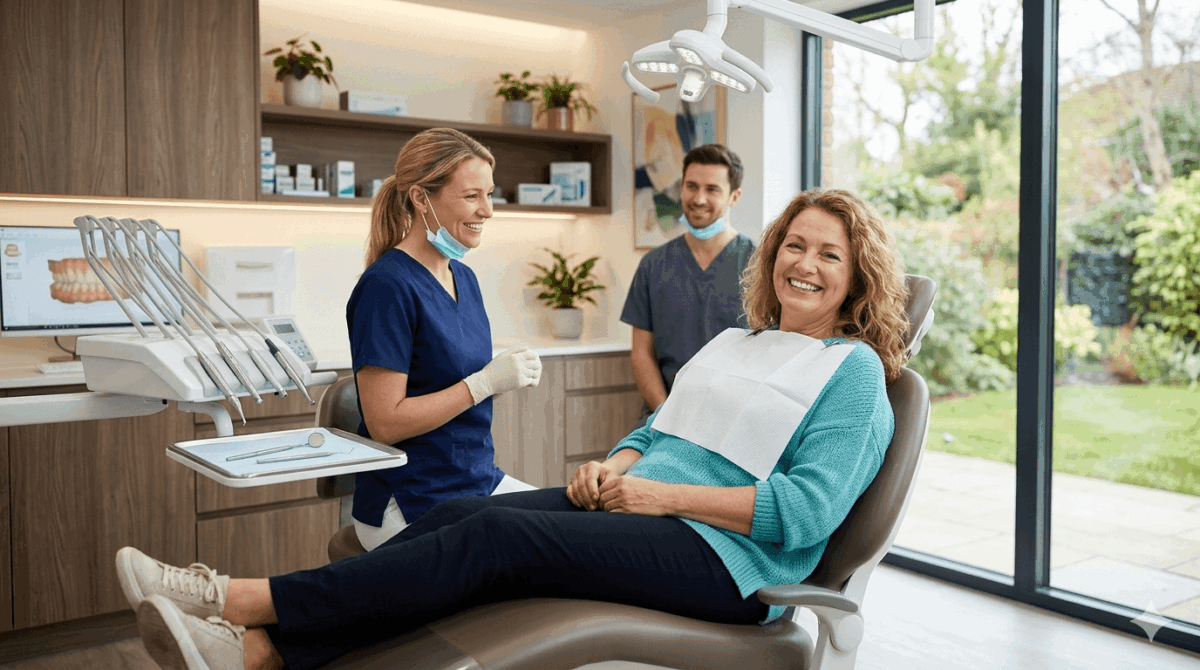
Many dental problems do not begin with pain. They often start silently and become noticeable only when they have already worsened. That is why routine dental check-ups in Kathmandu play such an important role in protecting your oral health.

Regular dental visits help detect issues early, prevent complications, and reduce the need for extensive treatment later. Along with professional cleaning, oral prophylaxis and preventive care like fluoride treatment in Kathmandu can help keep your teeth and gums healthy for the long term.

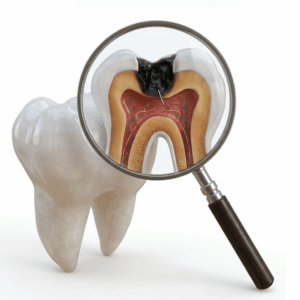
tooth with a magnifying glass

Here are 10 dental problems that can often be prevented with regular checkups.

  1. Tooth Decay

Cavities are one of the most common dental issues, but they are also highly preventable. Routine dental exams help identify plaque buildup, early enamel damage, and small cavities before they become serious.

Professional cleaning and timely care can stop decay from progressing and protect your natural teeth.

  1. Gum Disease

Gum disease often begins with mild symptoms like redness, swelling, or bleeding while brushing. If left untreated, it can advance and affect the bone supporting your teeth.

With routine dental check-ups in Kathmandu, your dentist can monitor your gum health, remove plaque and tartar, and recommend the right treatment before the condition worsens.

  1. Bad Breath

Persistent bad breath is not always caused by food. It can also be linked to plaque buildup, gum infection, tooth decay, or poor oral hygiene.

Regular checkups and oral prophylaxis help remove the bacteria and deposits that often contribute to unpleasant breath.

  1. Tartar Buildup

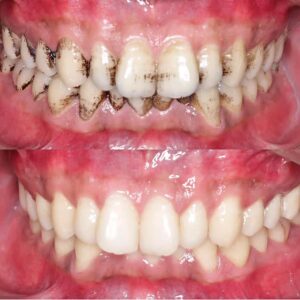
Even with good brushing habits, some plaque hardens into tartar over time. Once tartar forms, it cannot be removed at home with regular brushing alone.

Professional cleaning during routine visits helps eliminate tartar and lowers the risk of decay and gum problems.

plaque on teeth before and after

  1. Early Enamel Erosion

Acidic foods, beverages, grinding, and poor oral habits can slowly wear away tooth enamel. This damage may not be obvious in the beginning, but your dentist can often spot it during a checkup.

Early detection helps prevent sensitivity, weakness, and further tooth damage.

  1. Tooth Sensitivity

Sensitivity may seem minor at first, but it can signal enamel wear, gum recession, or early decay. A dental checkup helps identify the cause and address it before it becomes more uncomfortable.

In some cases, preventive care and fluoride treatment in Kathmandu may help strengthen teeth and reduce sensitivity risk.

  1. Cavities in Children and Teens

Young patients are especially vulnerable to cavities if preventive care is delayed. Regular dental visits can help monitor developing teeth, reinforce oral hygiene habits, and protect enamel.

Preventive treatments such as cleaning and fluoride treatment in Kathmandu can be especially helpful for growing smiles.

  1. Loose Teeth Due to Poor Gum Support

When gum disease progresses, it can begin to affect the tissues and bone that hold teeth in place. This can eventually lead to tooth mobility or even tooth loss.

Routine dental monitoring helps catch these warning signs early and supports better long-term gum health.

  1. Stained Teeth From Plaque and Deposits

Not all tooth discoloration is deep staining. Sometimes the teeth look dull or yellow because of surface plaque, tartar, or poor oral hygiene.

Regular oral prophylaxis can help improve the appearance of teeth by removing these deposits and supporting a cleaner, fresher smile.

  1. Costly Dental Complications

One of the biggest benefits of routine visits is prevention itself. Minor concerns can often be managed early before they turn into painful, complex, and expensive dental problems.

By attending routine dental check-ups in Kathmandu, patients can often avoid advanced restorative or emergency treatments in the future.

Why Preventive Dental Care Matters

Prevention is always easier than treatment. A routine dental visit is not just about checking for cavities. It is also about monitoring gum health, cleaning areas you may miss at home, and protecting your smile with preventive measures such as oral prophylaxis and fluoride treatment in Kathmandu.

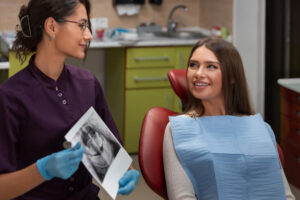
dentist-patient consultation

These simple visits can make a major difference in maintaining healthy teeth, fresh breath, and stronger gums.

Ignoring dental checkups can allow small issues to become bigger problems. Regular visits help keep your oral health on track and reduce the risk of avoidable dental conditions.

If you want to protect your smile, improve oral hygiene, and prevent future treatment needs, scheduling routine dental check-ups in Kathmandu is one of the best steps you can take.

Categories
Dental Implant

7 Signs You Might Need Dental Implants Instead of a Dental Bridge

When replacing missing teeth, many patients often compare dental implants and dental bridges. Both options can restore your smile, improve chewing, and support oral health. However, in many cases, dental implants in Kathmandu may be a better long-term solution than a traditional bridge.

If you are unsure which treatment is right for you, here are 7 important signs you might need dental implants instead of a dental bridge.

  1. You Have a Missing Tooth With Healthy Adjacent Teeth

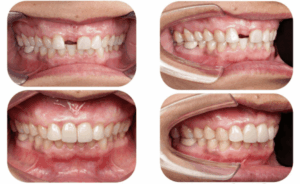
A dental bridge usually depends on the teeth next to the gap for support. This means those healthy teeth often need to be reshaped to hold the bridge in place.

If your surrounding teeth are strong and healthy, removing natural tooth structure may not be the best option. In such cases, dental implants in Kathmandu can replace the missing tooth without affecting neighboring teeth. This helps preserve your natural smile while restoring function.

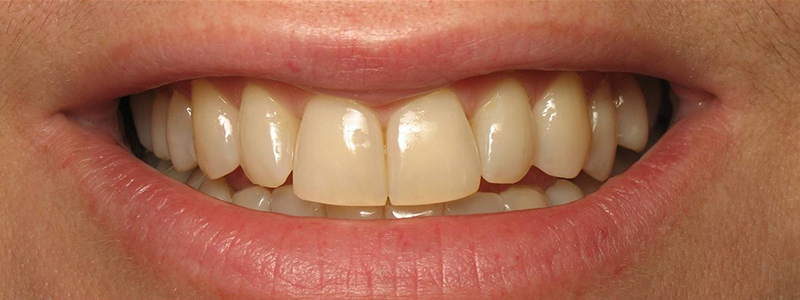
Dental Implant Before After

  1. You Want a Long-Term Tooth Replacement Solution

Dental bridges can be effective, but they may need replacement after several years depending on wear and oral hygiene. Dental implants, on the other hand, are designed to be a more durable and long-lasting solution when properly cared for.

If you are looking for stability, strength, and a treatment that feels closer to a natural tooth, an implant may be the better choice.

  1. You Are Experiencing Bone Loss in the Missing Tooth Area

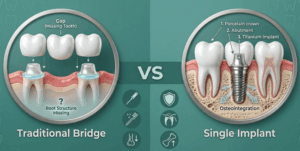
One of the biggest differences between implants and bridges is what happens below the gum line. A bridge replaces the visible part of the tooth, but it does not replace the root. Over time, the jawbone in that area may begin to shrink.

Dental implants act like artificial tooth roots and help stimulate the jawbone. This can help maintain bone structure and facial support. For patients dealing with bone loss, dental implants in Kathmandu are often recommended after proper evaluation.

  1. You Want Better Stability While Eating and Speaking

A bridge is fixed in place, but it still relies on support from neighboring teeth. Dental implants are anchored directly into the jawbone, offering a more secure and natural feel.

If you want more confidence while chewing, speaking, or smiling, implants may offer the comfort and function you need. Many patients say implants feel much closer to their natural teeth compared to other replacement options.

  1. Your Supporting Teeth Are Weak or Already Damaged

A dental bridge works best when the nearby teeth are strong enough to support it. But if these teeth are already decayed, restored multiple times, or structurally weak, a bridge may place extra pressure on them.

In such situations, choosing dental implants in Kathmandu can reduce dependence on neighboring teeth and provide a more independent solution for missing teeth.

  1. You Want Easier Oral Hygiene Maintenance

Bridges require special attention during brushing and flossing, especially under the false tooth area. Cleaning around a bridge can sometimes be more challenging than caring for a single implant crown.

Dental implants can usually be maintained much like natural teeth, with regular brushing, flossing, and routine dental visits. If ease of maintenance is important to you, an implant may be a more convenient option.

  1. You Are Looking for a More Natural Look and Feel

Modern dental implants are designed to blend beautifully with your natural teeth. They can provide a highly aesthetic result while also restoring bite strength and comfort.

If appearance matters to you and you want a replacement that closely mimics a real tooth, implants are often considered one of the most natural-looking options available.

Dental Implant Vs Dental Bridge

Dental Implants vs Dental Bridges: Which Is Right for You?

The right treatment depends on several factors, including your oral health, bone condition, budget, and long-term goals. While bridges may still be a suitable option for some patients, dental implants in Kathmandu are often preferred for their durability, function, and ability to preserve surrounding teeth and bone.

A professional dental consultation is the best way to determine whether an implant or bridge is the right solution for your case.

Missing teeth can affect more than just your smile. They can impact your confidence, speech, chewing ability, and overall oral health. Knowing when to choose an implant over a bridge can help you make a more informed decision.

If you notice any of these signs, it may be time to explore whether dental implants in Kathmandu are the beter option for your smile restoration journey.

Categories
Dental Tourism

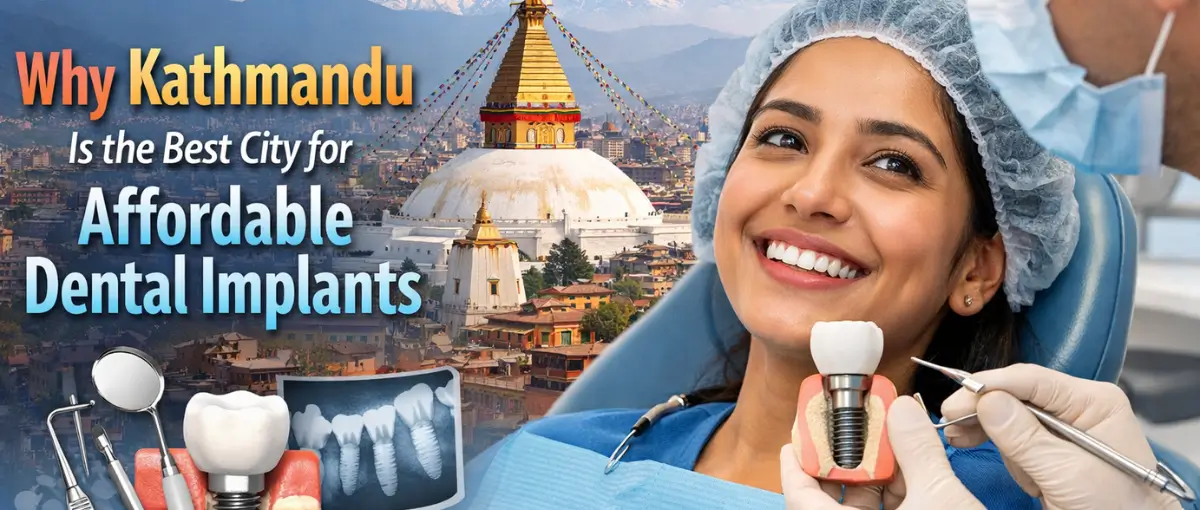
Dental Tourism in Nepal: Why Kathmandu Is Becoming a Leading Destination for Affordable, Advanced Dental Care

Introduction

As global dental treatment costs continue to rise, more international patients are seeking high-quality yet affordable alternatives abroad. Dental tourism in Nepal, particularly in Kathmandu, is rapidly gaining attention for offering advanced dental care at competitive prices.

Nepal is no longer known only for Mount Everest and cultural heritage. Today, modern dental clinics in Kathmandu provide internationally aligned treatment standards, digital technology, and comprehensive dental solutions for patients traveling from Australia, the UK, the US, and beyond.

Affordable Dental Implants and Restorative Treatments

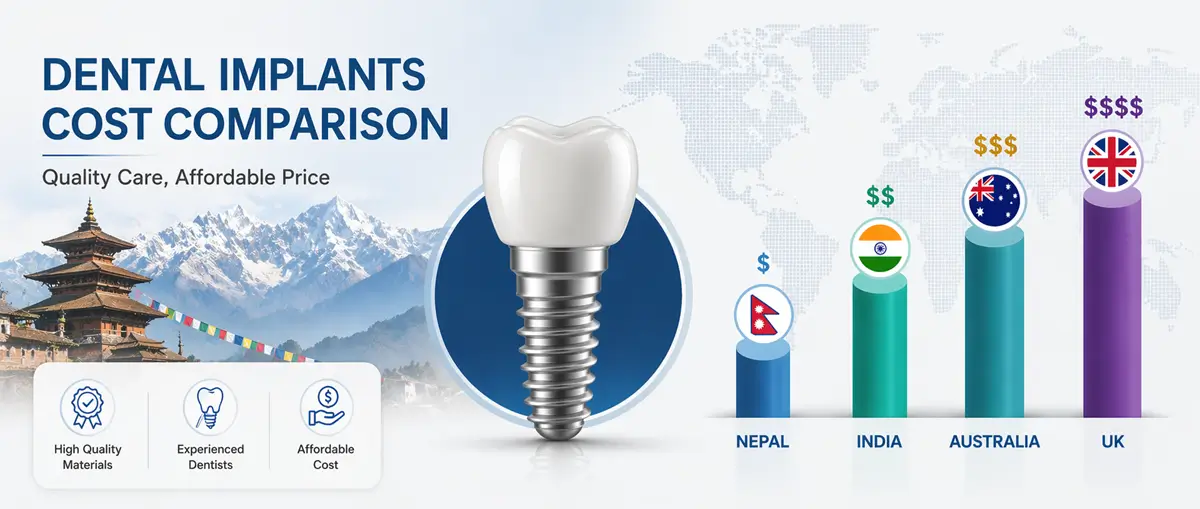
One of the primary reasons patients choose dental tourism in Nepal is cost savings.The cost of dental implants in Nepal can be significantly lower compared to Western countries, often without compromising material quality or clinical protocols.

Dental Implants in Nepal

Common affordable treatments include:
– Dental implants in Kathmandu
– Full-mouth rehabilitation
– Zirconia crowns and bridges
– Porcelain veneers
– Smile makeovers
– Orthodontic treatment (braces and aligners)

Advanced Dental Technology in Kathmandu

Leading dental clinics in Kathmandu invest in modern equipment and digital systems to ensure precision and safety.

Technology commonly used includes:
– Digital X-rays
– 3D CBCT imaging
– Intraoral scanners
– CAD/CAM restorations
– Guided implant surgery
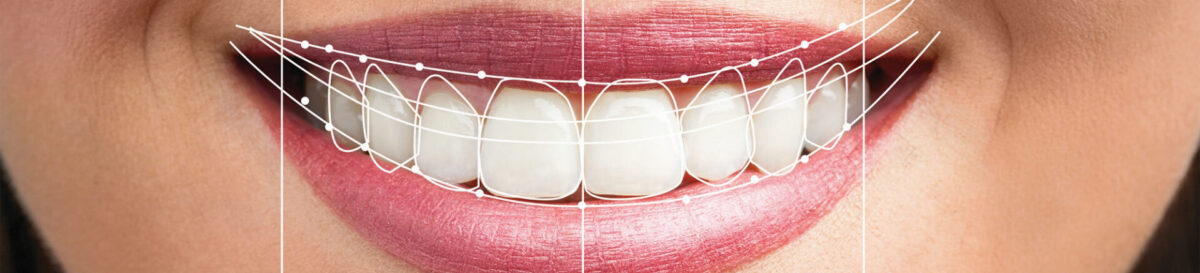
– Digital smile design

Digital workflows improve treatment accuracy, reduce chair time, and enhance overall patient comfort.

Internationally Trained Dentists in Nepal

Many dentists practising in Kathmandu have completed postgraduate education, implant training, or advanced certifications internationally. Continuous professional development ensures that treatment methods remain evidence-based and globally aligned.

Short Waiting Time for Dental Treatment

Unlike some countries where waiting lists can delay treatment, dental clinics in Nepal often offer:
– Quick consultation scheduling
– Structured treatment timelines
– Efficient coordination for international patients
– Flexible appointment planning

Safe and Sterile Clinical Environment

Modern dental clinics in Kathmandu follow strict sterilization and infection control protocols, including:
– Autoclave sterilization systems
– Standard cross-contamination control
– High-grade clinical materials
– Transparent hygiene standards

Combine Dental Treatment with Travel

One of the unique advantages of dental tourism in Kathmandu is the opportunity to recover in a peaceful and culturally rich environment.

Patients can combine treatment with:
– Heritage site visits
– Scenic mountain views
– Wellness experiences
– Cultural exploration

What to Consider Before Choosing Dental Tourism in Nepal

Before planning dental travel to Nepal, patients should:
– Research the best dental clinic in Kathmandu
– Review patient testimonials
– Request a detailed treatment plan
– Confirm total cost estimates
– Plan adequate stay duration
– Discuss follow-up care options

Conclusion

Dental tourism in Nepal is steadily growing due to its combination of affordability, advanced technology, skilled professionals, and unique travel experience.

For individuals seeking reliable, modern, and cost-effective dental care abroad, Kathmandu, Nepal offers both clinical excellence and the opportunity to explore one of the world’s most culturally rich destinations.

Contact Now

Categories
Child Care

First Dental Visit for Children in Kathmandu: What Parents Should Really Expect

For many parents, a child’s first dental visit brings a mix of excitement and anxiety.Will my child be scared? Is it too early? What actually happens during the appointment?
If you are searching for a trusted pediatric dentist in Kathmandu, understanding what to expect can help you prepare both yourself and your child.

This guide explains everything parents should know about children’s dental care in Nepal and how to make the first visit smooth and stress-free.

When Should a Child First Visit the Dentist?

According to international pediatric dental guidelines, a child should visit the dentist by:

  • Their first birthday, or
  • Within six months of the first tooth erupting

Early visits are mainly preventive. They allow the dentist to monitor development, detect early concerns, and guide parents on proper oral hygiene practices.

What Happens During the First Dental Visit?

The first appointment is usually simple, gentle, and educational.

A pediatric dentist in Kathmandu will typically:

  • Review your child’s medical and dental history
  • Examine teeth, gums, and jaw development
  • Check for early signs of decay
  • Assess bite and oral habits (thumb sucking, pacifier use)
  • Provide preventive guidance to parents

In most cases, no major procedures are done during the first visit unless necessary.

The goal is to build trust not fear.

Will My Child Be Scared?

It is normal for children to feel unsure in a new environment. However, modern children’s dental care in Nepal focuses heavily on behavioral management techniques.

Experienced pediatric dentists use:

  • Friendly language instead of technical terms
  • “Tell-Show-Do” techniques
  • Positive reinforcement
  • Child-friendly clinic environments

Parents are often allowed to stay with younger children during the visit to provide reassurance.

Dentist explains tools to young patient

Do Children Need X-Rays During the First Visit?

Not always.

Dental X-rays are only recommended if:

  • There are signs of cavities
  • The dentist suspects hidden issues
  • There is a history of trauma
  • Tooth development needs evaluation

Modern digital X-rays use minimal radiation and are considered safe when clinically necessary.

How Parents Should Prepare Their Child

Preparation makes a big difference.

Here’s what you can do before the appointment:

  • Speak positively about the dentist
  • Avoid using words like “pain,” “injection,” or “hurt”
  • Read children’s books about visiting the dentist
  • Schedule the appointment when your child is well-rested

Your attitude directly influences your child’s comfort level.

Common Concerns Parents Have

1. Cavities in Baby Teeth

Many parents assume baby teeth are temporary and less important. In reality, untreated cavities can affect permanent teeth and overall health.

2. Thumb Sucking & Pacifier Use

Your dentist will assess whether these habits may affect jaw or bite development.

3. Early Orthodontic Evaluation

Some children may need early assessment to prevent future alignment problems.

Preventive Focus in Children’s Dental Care in Nepal

Modern pediatric dentistry emphasizes prevention over treatment.

This may include:

  • Fluoride applications
  • Dental sealants
  • Oral hygiene demonstrations
  • Diet counseling for parents

Early preventive care reduces the likelihood of complicated treatments later.

A female dentist applying dental sealant treatment to a child

How Often Should Children Visit the Dentist?

Most children should have a dental check-up every six months. However, the frequency may vary depending on cavity risk and oral hygiene habits.

Regular visits help:

  • Monitor tooth development
  • Detect problems early
  • Reinforce healthy habits
  • Build dental confidence

In Summary

The first dental visit is not about treatment, it is about trust, prevention, and education.

Choosing an experienced pediatric dentist in Kathmandu ensures your child receives gentle, structured, and preventive-focused care.

Quality children’s dental care in Nepal aims to create positive early experiences so that dental visits become a normal and comfortable part of growing up.

A confident child today leads to a healthy smile tomorrow.

Contact Us

Categories
Orthodontic

Braces vs Clear Aligners in Nepal: Which Orthodontic Treatment Works Best for Adults

Orthodontic treatment is no longer just for teenagers. In Nepal, more adults are seeking solutions to straighten teeth, correct bite issues, and improve overall oral health. With advancements in modern orthodontics, patients now have access to effective, comfortable, and aesthetically pleasing treatments tailored to adult needs.

If you are considering orthodontic treatment, one common question arises: Braces vs clear aligners in Nepal  which option is best for adults? This guide will help you understand the differences, advantages, and considerations for both options.


Understanding Adult Orthodontic Treatment

Adult orthodontic treatment focuses on addressing:

  • Crowded or misaligned teeth
  • Gaps between teeth
  • Overbite, underbite, or crossbite
  • Relapse after previous braces
  • Jaw alignment concerns

Modern orthodontic solutions in Nepal use digital scans and 3D treatment planning to ensure precise and predictable results, making adult treatment more efficient than ever before.


Option 1: Traditional Braces

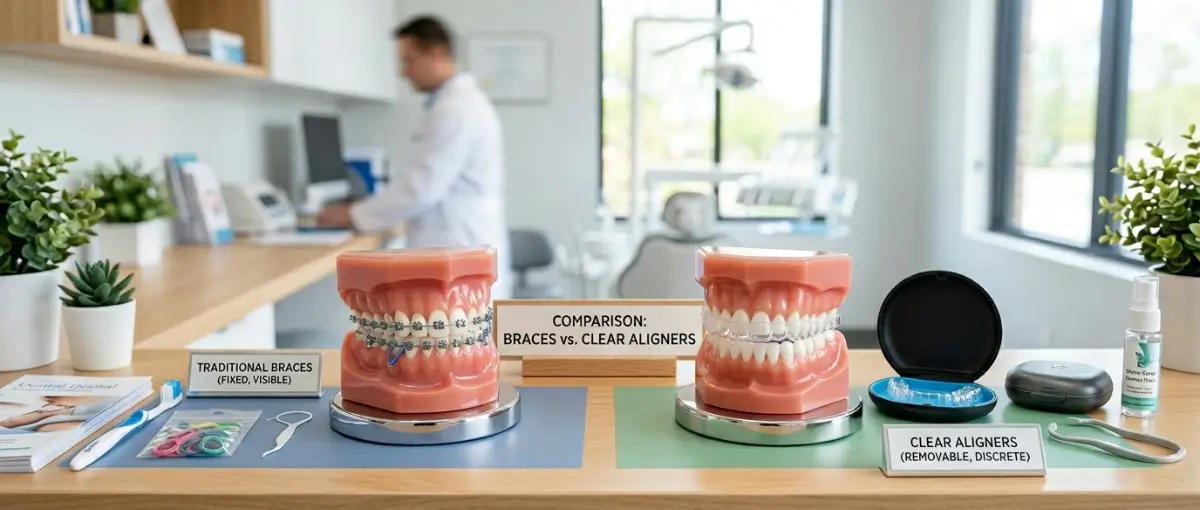
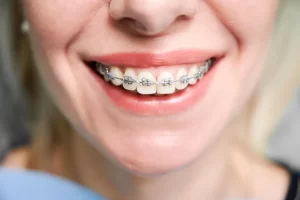
Traditional braces consist of metal or ceramic brackets attached to the teeth and connected by wires that gradually move teeth into alignment.

Braces
Braces

Advantages of Braces

  • Highly effective for complex orthodontic cases
  • Precise control over tooth movement
  • Suitable for severe crowding or bite issues
  • Fixed appliance does not rely on patient compliance

Considerations

  • More visible, though ceramic options are less noticeable
  • Mild discomfort may occur after adjustments
  • Requires careful oral hygiene and some dietary restrictions

Braces remain the most reliable solution for patients with significant bite corrections or complex alignment challenges.

Option 2: Clear Aligners

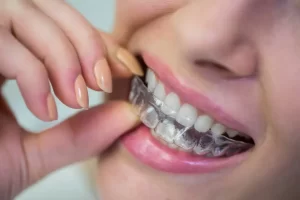
Clear aligners are transparent, removable trays designed using advanced digital scans and 3D treatment planning. They gradually shift teeth into the desired position over time.

Advantages of Clear Aligners

  • Nearly invisible appearance
  • Removable for eating and cleaning
  • Comfortable, with fewer emergency visits
  • No food restrictions

Considerations

  • Requires consistent daily wear (20–22 hours)
  • May not be ideal for very complex bite or alignment issues
  • Slightly higher cost due to digital planning and lab fabrication

Clear aligners are increasingly popular among professionals and adults in Nepal who prefer a discreet and convenient orthodontic solution.

Clear Aligners
Clear Aligners

Braces vs Clear Aligners in Nepal: Key Comparison for Adults

Feature Braces Clear Aligners
Aesthetics Visible (ceramic less so) Nearly invisible
Comfort May cause irritation from brackets/wires Comfortable, fewer adjustments
Treatment Complexity Best for severe cases Ideal for mild to moderate cases
Maintenance Requires careful brushing/flossing Easier to clean, removable
Duration 12–24 months 12–24 months
Cost Slightly lower on average Slightly higher due to digital customization

When Braces Are Recommended

Braces are particularly effective for:

  • Severe teeth rotations or crowding
  • Major bite discrepancies
  • Skeletal or vertical alignment issues
  • Complex orthodontic relapse cases

For these scenarios, braces provide superior control and predictable outcomes.

The Role of Digital Planning

Modern orthodontics in Nepal uses digital technology to enhance treatment outcomes. Digital scans, 3D simulations, and customized treatment plans allow patients to:

  • Visualize expected results before starting treatment
  • Ensure precise tooth movement
  • Achieve higher predictability and satisfaction

Digital planning is especially important for clear aligners, where accurate fit and alignment are crucial.

Which Option Works Best for Adults?

There is no universal answer. The best choice depends on:

  • Severity of misalignment
  • Bite correction needs
  • Lifestyle and professional requirements
  • Commitment to wearing aligners consistently
  • Budget considerations

A consultation with an experienced orthodontic provider is essential to determine the most appropriate treatment.

Cost Considerations in Nepal

The cost of braces and clear aligners varies depending on:

  • Case complexity
  • Technology and materials used
  • Duration of treatment
  • Expertise of the orthodontist

Clear aligners are generally slightly more expensive due to digital customization and laboratory fabrication, while braces can be more cost-effective for complex cases.

Clinical Insight

When choosing braces vs clear aligners in Nepal, both options can deliver excellent results when properly planned and monitored. Adult orthodontic treatment is not just about aesthetics it improves oral health, bite function, and long-term dental stability.

Patients interested in orthodontic treatment are encouraged to schedule a consultation at Studio Dentale. Our expert team provides digital assessment, personalized treatment planning, and guidance to help select the most suitable orthodontic solution.

Categories
Studio-dentale

How to Choose the Right Dentist in Kathmandu for Complex Dental Treatments

When it comes to complex dental treatments in Nepal such as dental implants, full-mouth rehabilitation, orthodontics, smile design, or advanced restorative procedures choosing the right dentist is one of the most important decisions you will make.

Searching for the best dentist in Kathmandu can feel overwhelming. Many clinics offer similar services, but complex dental cases require far more than basic skills or modern equipment. They demand experience, precision, planning, and a patient-centered philosophy.

This guide will help you make an informed and confident decision.

1. Look Beyond Basic Qualifications

All licensed dentists have formal training, but complex treatments require advanced expertise.

When choosing a dentist in Kathmandu, check for:

  • Postgraduate specialization (Prosthodontics, Orthodontics, Periodontics, Oral Surgery)
  • Additional certifications in implantology or digital dentistry
  • International training or continuing education programs
  • Membership in recognized dental associations

Complex cases demand a higher level of clinical judgment and technical precision.

2. Evaluate Experience with Complex Cases

Experience plays a crucial role in advanced dentistry.

Ask:

  • How many similar cases has the dentist completed?
  • Can they provide before-and-after case documentation?
  • Do they offer long-term follow-up care?

A dentist experienced in complex dental treatments in Nepal will confidently discuss challenges, solutions, and realistic outcomes.

Studio Dentale REception

3. Assess Technology & Digital Workflow

While equipment alone does not define quality, advanced tools significantly improve accuracy and predictability.

Look for clinics offering:

  • Digital X-rays and 3D imaging (CBCT)
  • Intraoral scanning
  • Digital smile design
  • Guided implant surgery
  • CAD/CAM restorations

Technology should enhance diagnosis and treatment planning not just serve as a marketing feature.

4. Check for Comprehensive Treatment Planning

Complex dentistry is rarely a single procedure. It often involves multiple stages and disciplines.

The best dentist in Kathmandu will:

  • Conduct detailed consultations
  • Take time to understand your concerns and goals
  • Create a structured, step-by-step treatment plan
  • Clearly explain timelines
  • Offer alternative treatment options when appropriate

Comprehensive planning reduces risks and improves long-term success.

5. Prioritize Communication & Transparency

Clear communication is essential in advanced treatments.

A reliable dentist should:

  • Explain procedures in simple, understandable language
  • Discuss risks and benefits openly
  • Provide transparent cost estimates
  • Set realistic expectations

Trust is built through honest and professional dialogue.

6. Review Sterilization & Safety Standards

Complex procedures often involve surgical components, making infection control extremely important.

Choose a clinic that demonstrates:

  • Strict sterilization protocols
  • Properly autoclaved instruments
  • Clean and well-organized treatment areas
  • Standardized safety procedures

Patient safety should always be a top priority.

7. Check Patient Reviews & Testimonials

Online reviews and testimonials can provide valuable insights into patient experiences.

Look for feedback related to:

  • Implant treatments
  • Orthodontic cases
  • Full-mouth rehabilitation
  • Professionalism and patient comfort
  • Post-treatment support

Consistent positive feedback is a strong indicator of reliability and quality care.

8. Evaluate Multidisciplinary Collaboration

Complex dental cases often require collaboration among specialists.

A clinic offering advanced dental treatments in Nepal may involve:

  • Prosthodontists
  • Oral surgeons
  • Orthodontists
  • Periodontists

Team-based care ensures that every aspect of your treatment is properly managed.

9. Understand Cost vs Value

The lowest price does not necessarily reflect the best treatment especially in complex dentistry.

Advanced materials, digital planning, and experienced professionals come at a cost. Instead of focusing solely on price, evaluate:

  • Quality of materials used
  • Experience and specialization of the dentist
  • Longevity and predictability of treatment
  • Warranty or follow-up policies

High-quality dental treatment is a long-term investment in your health and confidence.

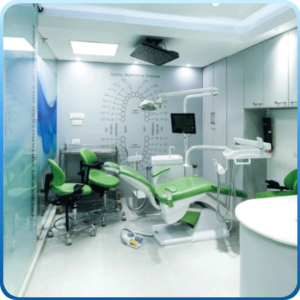
Reception Area

10. Schedule a Consultation Before Committing

Before proceeding with major treatment:

  • Visit the clinic
  • Observe hygiene standards
  • Ask detailed questions
  • Evaluate your comfort level with the dentist and team

Feeling confident and comfortable with your dentist is essential for a successful treatment journey.

Final Thoughts

Choosing the best dentist in Kathmandu for complex procedures requires careful consideration. It is not only about convenience or cost it is about expertise, transparency, advanced technology, and long-term care.

When selecting a provider for dental treatments in Nepal, prioritize experience, structured planning, ethical communication, and patient-centered care.

Your smile is permanent, choose a dentist who treats it with the seriousness, precision, and commitment it deserves.

Contact us

Categories
Studio-dentale

What Makes a Dental Clinic in Kathmandu “Modern” Beyond Just Equipment

When patients search for a modern dental clinic in Kathmandu, they often imagine high-tech machines, digital screens, and advanced scanners. While state-of-the-art equipment is important, true modern dentistry goes far beyond just technology.

A genuinely modern clinic combines innovation, patient-centered care, digital workflows, global standards, and ethical transparency to deliver comprehensive and predictable results. Let’s explore what truly defines advanced dental care in Nepal today.

1. Digital Workflow – From Consultation to Completion

Modern dentistry begins with precision.

A progressive clinic uses digital tools not only for diagnosis but throughout the treatment journey:

  • Digital X-rays with minimal radiation
  • Intraoral scanners instead of traditional impression materials
  • 3D imaging for implant planning
  • CAD/CAM technology for crowns and restorations

What truly makes it modern is integration — when these tools communicate seamlessly to improve accuracy, reduce chair time, and enhance patient comfort.

Digital workflows increase predictability and minimize human error. That’s a hallmark of advanced dental care in Nepal.

2. Patient-Centric Approach, Not Procedure-Centric

Technology is only meaningful when centered around the patient.

A modern dental clinic in Kathmandu prioritizes:

  • Comprehensive consultations
  • Clear treatment planning with visual explanations
  • Transparent cost breakdowns
  • Comfort-focused dentistry and pain management protocols
  • Structured follow-up care systems

Modern clinics understand that dentistry isn’t just clinical — it’s emotional. Patients value empathy, education, and clarity just as much as clinical expertise.

3. Evidence-Based Dentistry

True modernization means aligning with international standards and research-backed practices.

Clinics offering advanced dental care in Nepal should:

  • Follow globally accepted sterilization protocols
  • Use internationally certified materials
  • Apply evidence-based treatment guidelines
  • Continuously update techniques through training and education

Modern dentistry evolves. A clinic that invests in ongoing professional development reflects true progress.

4. Multidisciplinary Treatment Planning

Gone are the days of isolated procedures.

Modern clinics adopt a collaborative approach:

  • Prosthodontic-driven implant planning
  • Orthodontic considerations before restorative work
  • Periodontal health integrated into cosmetic treatments

This ensures long-term success rather than temporary fixes. It’s about comprehensive oral health not just quick solutions.

5. Infection Control & Safety Standards

Post-pandemic awareness has reshaped patient expectations.
A modern dental clinic in Kathmandu must demonstrate:

  • Strict sterilization cycles
  • Disposable or properly autoclaved instruments
  • Air purification systems
  • Clear hygiene protocols

Safety and transparency are essential components of advanced dental care in Nepal.

6. Technology That Improves Experience Not Just Impresses

Having expensive machines doesn’t automatically make a clinic modern.
The real question is:
Does the technology improve outcomes and comfort?

Examples include:

  • Same-day digital crowns
  • Guided implant surgery
  • Laser dentistry for minimal discomfort
  • Digital smile design previews

When patients can visualize results before treatment, it builds trust and confidence.

7. Ethical & Transparent Communication

Modern dentistry also means ethical practice.

This includes:

  • Presenting multiple treatment options
  • Explaining risks and benefits clearly
  • Avoiding overtreatment
  • Maintaining honest timelines and expectations

A modern clinic builds long-term relationships, not just transactions.

8. Comfort-Focused Environment

Ambience matters.

From ergonomic dental chairs to calming interiors, modern clinics understand the psychological impact of space. Anxiety reduction strategies such as:

  • Soft lighting
  • Minimal clinical smell
  • Relaxed waiting areas
  • Friendly and supportive team communication

all contribute to a truly modern experience.

9. Digital Presence & Accessibility

In today’s world, modernization extends beyond the clinic walls.

A modern dental clinic in Kathmandu offers:

  • Online appointment booking
  • Active educational social media presence
  • Transparent website information
  • Digital follow-up reminders

Accessibility and communication are key components of advanced dental care in Nepal.

10. A Vision for the Future

Ultimately, what makes a clinic modern is not just what it owns but how it thinks.

A forward-thinking clinic:

  • Adopts sustainable practices
  • Invests in innovation
  • Prioritizes preventive dentistry
  • Focuses on long-term oral health outcomes

Modern dentistry is about predictability, precision, prevention, and personalized care.

Final Thoughts

A truly modern dental clinic in Kathmandu is not defined solely by its equipment, but by its philosophy.

It blends technology with empathy, science with ethics, and innovation with individualized care. As dentistry continues to evolve, patients are no longer just looking for treatment, they are seeking experience, trust, and long-term health partnerships.

When you choose a clinic that embodies these values, you’re not just choosing advanced dental care in Nepal — you’re choosing dentistry designed for the future.

Categories
Digital Dentistry

Digital Dentistry in Kathmandu – Modern Dental Care at Studio Dentale

Introduction

The world of dentistry is undergoing a powerful transformation, driven by innovation, precision, and digital technology. At the center of this evolution is digital dentistry a modern approach that enhances accuracy, comfort, and predictability across every stage of dental care.

For patients searching for a trusted Dental Clinic in Kathmandu or a highly skilled Dentist in Kathmandu, understanding how digital dentistry works can make all the difference. At Studio Dentale, we combine advanced technology with personalized care to deliver a new standard of dentistry in Nepal.


What is Digital Dentistry?

Digital dentistry refers to the use of advanced computer-based technologies to diagnose, plan, design, and perform dental treatments. Instead of relying solely on traditional tools and manual impressions, dentists use digital systems to create highly accurate, data-driven treatment plans.

At a modern dental clinic like Studio Dentale, digital dentistry integrates seamlessly into everyday care, allowing for better visualization, faster workflows, and improved long-term results.

Core technologies include:

  • Intraoral Scanners – Digital impressions without messy trays
  • Digital Smile Design (DSD) – Virtual smile simulations before treatment begins
  • CAD/CAM Systems – Precision design and milling of restorations
  • 3D Printing – Surgical guides, models, and dental appliances
  • CBCT & Digital X-rays – Advanced 3D imaging for accurate diagnosis


Why Digital Dentistry Matters for Patients in Kathmandu?

Choosing a Dental Clinic in Kathmandu Nepal that offers digital dentistry means choosing accuracy, comfort, and confidence.

1. Superior Accuracy

Digital scans and 3D imaging eliminate guesswork. Every crown, veneer, aligner, or implant is designed based on precise digital measurements, ensuring a perfect fit and natural appearance.

2. Enhanced Comfort

Traditional impressions can be uncomfortable and time-consuming. Digital scanners capture your teeth in minutes, making your visit smoother and stress-free.

3. Faster Treatment Timelines

With in-house digital planning and manufacturing, many procedures that once took weeks can now be completed in fewer visits—or even the same day.

4. Clear Communication

Patients can see a digital preview of their smile before treatment starts. This transparency builds trust and helps you make confident decisions about your dental care.

5. Long-Lasting Results

Precise planning and high-quality digital restorations lead to stronger, more durable dental outcomes.


Digital Dentistry Services at Studio Dentale – A Modern Dental Clinic in Kathmandu?

At Studio Dentale, we believe technology should enhance human care—not replace it. Our digital workflow ensures every patient receives personalized treatment supported by world-class tools.

Digital Smile Design (DSD)

We digitally map your facial features, teeth, and smile to design a result that complements your natural appearance. This is ideal for veneers, smile makeovers, and cosmetic dentistry.

CAD/CAM Restorations

Using advanced design software, we create crowns, bridges, and veneers with exceptional precision, ensuring better fit, comfort, and longevity.

Guided Implant Dentistry

With 3D imaging and digital surgical guides, implant placement becomes safer, more predictable, and minimally invasive.

Orthodontics & Clear Aligners

Digital treatment planning allows us to map every stage of your smile alignment journey before it begins.


How Digital Dentistry Improves Oral Health Outcomes

Digital tools don’t just improve how your smile looks—they improve how your oral health is maintained.

  • Early Detection: High-resolution digital imaging helps identify problems before they become serious.
  • Better Records: Secure digital storage allows easy tracking of changes over time.
  • Preventive Care: Data-driven insights support proactive treatment planning.

For patients looking for a reliable Dentist in Kathmandu, this means fewer surprises and more confident care.


Why Choose Studio Dentale – Dental Clinic in Kathmandu Nepal

As a leading Dental Clinic in Kathmandu, Studio Dentale is committed to delivering care that reflects international standards while maintaining a personalized, patient-first approach.

What Sets Us Apart

  • Advanced Digital Infrastructure
  • Experienced Dental Professionals
  • Comfort-Focused Patient Experience
  • Ethical & Transparent Treatment Planning
  • Modern, Hygienic Clinical Environment

Our mission is to redefine what patients expect from a modern dental clinic in Nepal.


The Future of Dentistry is Digital

The next generation of dentistry will be shaped by artificial intelligence, automation, and fully integrated digital ecosystems. From AI-assisted diagnosis to robotic manufacturing, technology will continue to raise the standards of precision and personalization.

At Studio Dentale, we invest continuously in innovation to ensure our patients benefit from the most advanced dental solutions available in Kathmandu.

Book Your Consultation at Studio Dentale Today

If you’re searching for a trusted Dental Clinic Kathmandu patients rely on for advanced, comfortable, and precise care, your journey begins here.

📞 Call Us: 014532180 / 014532181
📱 WhatsApp: 9801119277
🌐 Website: https://studiodentale.org

Discover how digital dentistry can transform your smile with Studio Dentale – Your Modern Dental Clinic in Kathmandu, Nepal.

Categories
Dental Implant

Dental Implants in Kathmandu, Nepal: Cost, Procedure & Why Choose Studio Dentale

A dental implant is one of the most reliable and long-lasting solutions for replacing missing teeth. Unlike dentures or bridges, dental implants are placed directly into the jawbone, where they fuse naturally and function like real teeth. This not only restores your smile but also improves chewing efficiency, speech, and overall confidence.If you are considering dental implants in Kathmandu, Nepal, understanding the cost, procedure, and choosing the right clinic is essential.

What Is a Dental Implant?

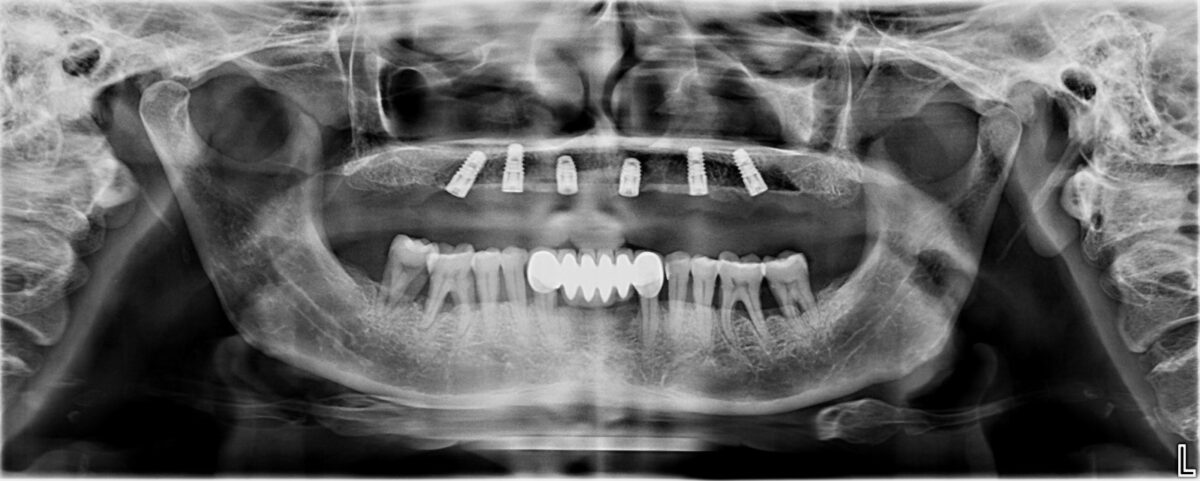
A dental implant is a small, biocompatible titanium or zirconia post that is surgically placed into the jawbone to act as an artificial tooth root. Over time, the implant integrates with the bone through a natural process called osseointegration, creating a strong and stable foundation for a crown, bridge, or full-arch prosthesis.

Step-by-Step Dental Implant Procedure at Studio Dentale

At Studio Dentale, we follow a structured, digitally guided, and patient-centered approach to ensure precision, safety, and long-term success.

1. Initial Consultation & Digital Assessment

Your implant journey begins with a comprehensive clinical evaluation. This includes: – Detailed oral examination – 3D CBCT scan to assess bone quality, bone volume, and nerve positioning – Digital impressions and smile analysis – Review of medical and dental history

This step helps our implant team create a personalized treatment plan tailored to your oral condition and aesthetic goals.

2. Treatment Planning & Implant Design

Using advanced digital implant planning software, we determine: – The exact position, angle, and depth of the implant – The ideal crown shape and alignment for natural aesthetics – Whether additional procedures such as bone grafting or sinus lift are required

In many cases, we use guided implant surgery, which improves accuracy, reduces surgical time, and enhances patient comfort.

3. Implant Placement Surgery

The implant placement is a minor surgical procedure performed under local anesthesia. The steps include: – Gentle preparation of the implant site in the jawbone – Placement of the implant fixture into the bone – Closure of the gum tissue or placement of a healing cap

The procedure is usually comfortable and completed within a short time, depending on the complexity of the case.

4. Healing & Osseointegration Phase

After placement, the implant requires time to fuse with the jawbone. This healing phase typically takes: – 3 to 6 months, depending on bone quality and individual healing capacity

During this period, a temporary crown or prosthesis may be provided for aesthetics and function.

5. Abutment Placement

Once the implant has fully integrated, an abutment (a connector piece) is attached to the implant. This serves as the foundation for the final crown or prosthetic tooth.

6. Final Crown or Prosthesis Placement

A custom-made implant crown is designed to match your natural teeth in: – Color – Shape – Size – Bite alignment

The final crown is securely placed, restoring full function and delivering a natural, confident smile.

Cost of Dental Implants at Studio Dentale, Kathmandu

At Studio Dentale, the starting cost of a complete dental implant treatment including the implant fixture, abutment, and crown begins from:

NPR 1,20,000 per tooth

The final cost may vary depending on individual clinical requirements and the type of prosthesis selected.

Implant Crown Cost

The cost of the implant crown typically ranges between: – NPR 27,000 to NPR 50,000, depending on the material used (zirconia, porcelain-fused-to-metal, etc.)

Hybrid Prosthesis Cost

In cases where a hybrid prosthesis is required, the cost may range from: – NPR 12,000 to NPR 20,000

Factors Affecting the Cost of Dental Implants

The total cost of dental implants may vary due to several factors, including: – Need for bone grafting – Requirement of a sinus lift procedure – Type of implant crown material – Complexity of the case – Experience and expertise of the implant dentist – Use of digital dentistry and guided implant surgery

A detailed clinical evaluation is necessary to determine the most accurate treatment plan and cost.

Benefits of Choosing Dental Implants

  • Natural look and feel
  • Long-lasting and durable solution
  • Preserves jawbone and facial structure
  • Improves chewing and speech
  • No damage to adjacent healthy teeth

Why Choose Studio Dentale for Dental Implants in Nepal?

Studio Dentale is a trusted name for advanced implant dentistry in Kathmandu, offering: – 3D CBCT imaging and digital implant planning – Highly experienced implant team – Comprehensive dental care under one roof – Strict sterilization protocols and patient comfort standards – Personalized treatment plans using modern digital workflows

Our focus is on long-term success, precision, and patient satisfaction.

Contact Studio Dentale

Studio Dentale
Bhagwati Marg 810, Kathmandu 44600, Nepal
📞 Telephone: +977-1-4532180 / 4532181
🚨 Emergency: +977-9801119277 / 75
📧 Email: info@studiodentale.org

Schedule a consultation today to find out if dental implants are the right solution for you.